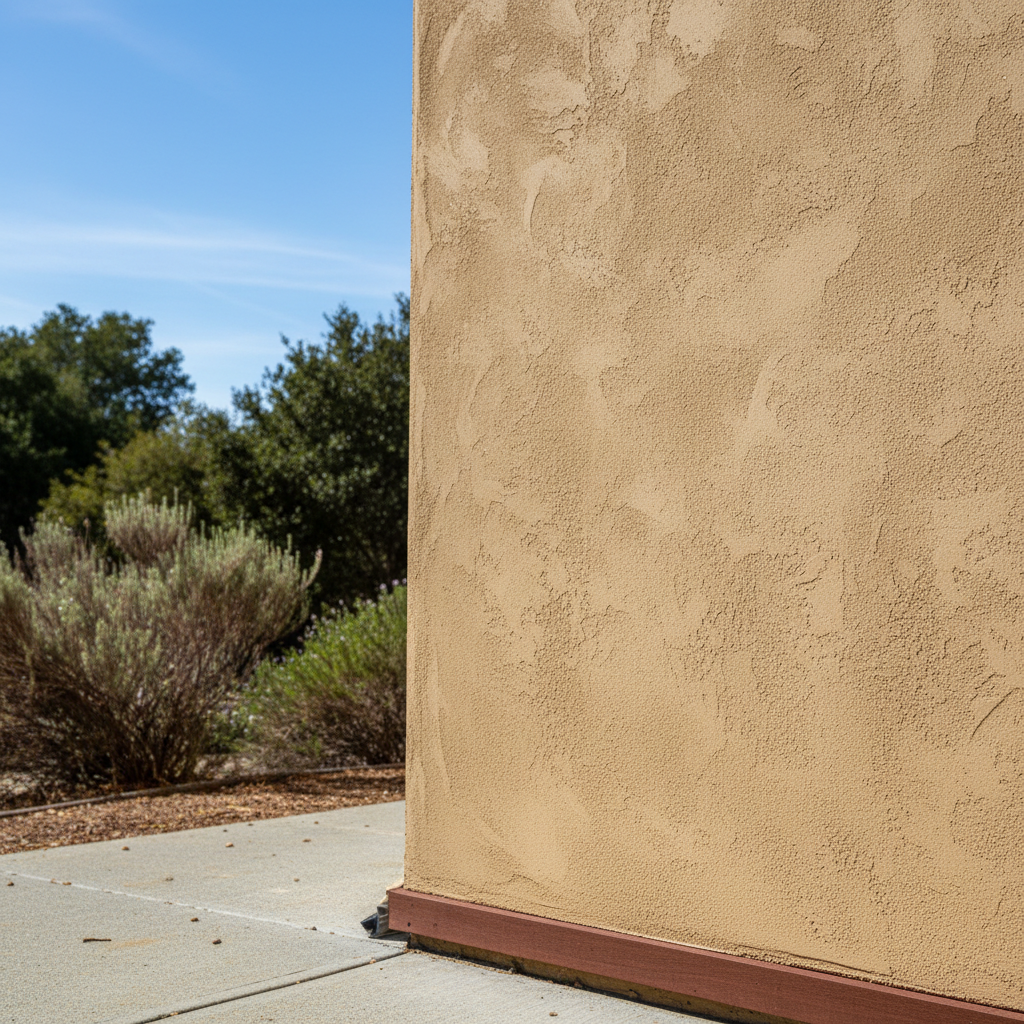
So, you're looking at your home and maybe thinking about new stucco. Perhaps the old stuff is cracked and tired, or you're adding an extension and want everything to match up nicely. Stucco's a fantastic choice, especially here in San Bruno where we get that marine layer and damp mornings; it's tough and really holds up. But let's be honest, it's not really a weekend DIY project for most folks. Let's dig into what you truly need to know before, during, and after getting stucco installed.
Before You Start: Planning and Permits
First things first, and this is a big one: permits. You can't just slap stucco on your house in San Bruno without one. Any major exterior change usually means getting a building permit from the city. This isn't just red tape; it makes sure the work meets local codes for safety and structural soundness. You'll need plans, sometimes even engineering drawings, depending on how big the job is. This is definitely a "call a pro" step, or at least a "call the city planning department" step. Don't skip it, seriously; fines and having to rip out work are headaches nobody needs.
Next, think about what kind of stucco you actually want. There's traditional three-coat stucco, which is super durable and lets the house breathe, and then there are synthetic stuccos (EIFS). Each has its good points and bad. Traditional stucco is what we usually suggest, mainly for how long it lasts and its classic look. It's a multi-layer system that includes a scratch coat, a brown coat, and a finish coat. This setup lets water drain and dry properly, which is super important in our climate where moisture can be a real problem, especially for homes built on the hillsides around Crestmoor where managing water runoff is key.
Can you do any of this yourself? Sure, you can definitely research different styles and colors. You might even pull a simple permit if you're just doing a tiny repair. But for a full re-stucco job or new construction, getting the plans right and navigating the permit process is usually best left to someone who does it all the time.
During Installation: What's Happening on Your Walls
This is where the real work happens, and it's mostly specialized labor, no two ways about it. For traditional stucco, it all starts with getting the surface ready. That means cleaning it, fixing any damage, and then putting up a weather-resistive barrier (WRB) – usually two layers of building paper. This part is critical for keeping water out of your wall assembly. Then comes the metal lath, which gets stapled or nailed to the sheathing. This lath gives the stucco something solid to grab onto.
After that, the first layer, the scratch coat, goes on. They call it that because it's literally scratched to make a rough surface for the next layer to stick to. Then the brown coat, which evens everything out and gives you a smooth, level surface. Each of these coats needs time to cure properly – you just can't rush it. Finally, the finish coat goes on. This is where the color and texture come in. You can have anything from a smooth Santa Barbara finish to a rougher dash or sand finish.
What can a homeowner realistically do here? Not much of the actual stucco application, honestly. Mixing the materials correctly, applying them evenly, and getting the right texture takes serious skill and experience. You might be able to help with site prep, like clearing bushes or moving outdoor furniture. You could also handle cleaning up debris once the pros finish a section. But for the actual lath and stucco application, you really want experienced hands on the job. Mistakes here can lead to cracking, water getting in, and a much bigger headache down the road. This is where Coastal Stucco Co. steps in; we've seen enough bad jobs to know it's always worth doing right the first time.
After the Stucco: Care and Maintenance
Once your new stucco is up, the job isn't completely finished. There's a curing period, especially for traditional stucco. It needs to dry slowly and evenly. Your contractor will give you specific instructions, but generally, you'll want to avoid anything that could damage the fresh surface for a few weeks. Don't lean ladders against it, don't blast it with a pressure washer, and keep an eye on the weather. Sometimes, a light misting can help with the curing process in very dry conditions, but your contractor will definitely advise you on that.
Long-term maintenance for stucco is pretty simple, actually. It's a durable material, but it's not indestructible. Keep an eye out for cracks. Small hairline cracks are often just on the surface and not a big deal. Larger cracks, especially those that go through multiple coats or show signs of water getting in, need attention. You can fill small cracks yourself with an elastomeric caulk made for stucco. For bigger problems, or if you're just not sure, call in a professional to check it out.
Cleaning stucco usually just means rinsing it with a garden hose. For tougher dirt or mildew, especially on those north-facing walls that stay damp longer, a mild detergent and a soft brush can work wonders. Just avoid high-pressure washing unless you really know what you're doing, as it can damage the finish or force water into the wall. Nobody wants that!
So, while most of a stucco installation is definitely a job for experienced pros, understanding the process helps you make smart decisions and keep your investment looking great for years. It's a tough, attractive finish that adds real value to your San Bruno home when it's done right.